Winning Strategies for High-Stakes Football Performance in 2026
High-stakes football in 2026 has moved far beyond
High-stakes football in 2026 has moved far beyond raw talent alone. At the elite level, players and teams treat performance as a discipline that demands strategy, self-awareness, and a deep understanding of how the modern game operates. Advanced analytics, global scouting, and evolving tactics have reshaped competition in ways that traditional approaches never could. But higher stakes also mean greater pressure, and without a structured framework, even the most talented players can lose consistency in a single match. The strategies below address that reality directly.
Why Data and Technology Dominate Modern Football
Football’s evolution into a data-driven sport did not happen by accident. Several structural advantages have made analytics and technology essential tools for teams competing at the highest level.
First, decision speed matters enormously. Coaches and analysts now rely on real-time data to adjust formations, pressing intensity, and substitutions. What once took full match reviews now happens instantly from the sidelines.
Second, performance tracking has become a key concern. Players are monitored through GPS systems, tracking distance covered, sprint frequency, and recovery rates. This allows clubs to manage fatigue and reduce injury risk while maximizing output.
Third, momentum in football adds a meta-layer of strategy. A team that builds confidence early in a match and carries that rhythm through key moments may find its performance level rising simply due to psychological advantage and game flow. That dynamic cannot be replicated through tactics alone, for players who want to get free spins with BiggerZ, JB Casino, BC.Games, the idea is similar: small advantages and timing can compound into bigger outcomes, which is why understanding how and when to capitalize on momentum becomes a practical necessity rather than an optional skill.
Squad Management Principles That Protect Team Performance
No team sustains success without disciplined squad management. At elite levels, the margin for error is minimal, and one poor decision can derail momentum built over weeks.
A common principle among top managers is rotation. Players cannot perform at peak intensity every match, so distributing minutes across the squad ensures freshness and reduces burnout. For example, a team competing in multiple competitions must carefully balance its starting lineup to maintain consistency.
Beyond rotation, separation of roles is essential. Just as players specialize in positions, teams must clearly define responsibilities—defensive structure, midfield control, and attacking execution. This clarity prevents confusion and keeps performance stable under pressure.
Setting Match Goals and Tactical Limits
Match planning is one of the most underused tools in football. A clear plan defines both defensive limits and attacking objectives for a single game.
Tactical limits work similarly to stop-loss rules. A team might decide not to overcommit players forward if leading, avoiding unnecessary risk. Once that boundary is crossed, vulnerability increases significantly.
Setting a win target matters just as much. Protecting a narrow lead through controlled possession and disciplined defense often proves more effective than chasing additional goals. Over a full season, consistent adherence to these principles creates a far more stable performance curve than reckless play.
Choosing the Right Tactical Approach
Not all playing styles are equal from a high-level perspective. The chosen system affects tempo, risk exposure, and overall efficiency.
Low-risk systems deserve priority attention. Structured formations like 4-3-3 or 4-2-3-1 provide balance between defense and attack, allowing teams to control matches without overexposing themselves.
High-pressure systems, while effective, require precise execution and physical endurance. When applied correctly, they can disrupt opponents and create scoring opportunities. However, poor execution leaves large gaps that skilled teams can exploit.
Teams that understand these dynamics make better decisions about when to press, when to hold shape, and when to transition quickly.
Understanding Performance Metrics at Elite Levels
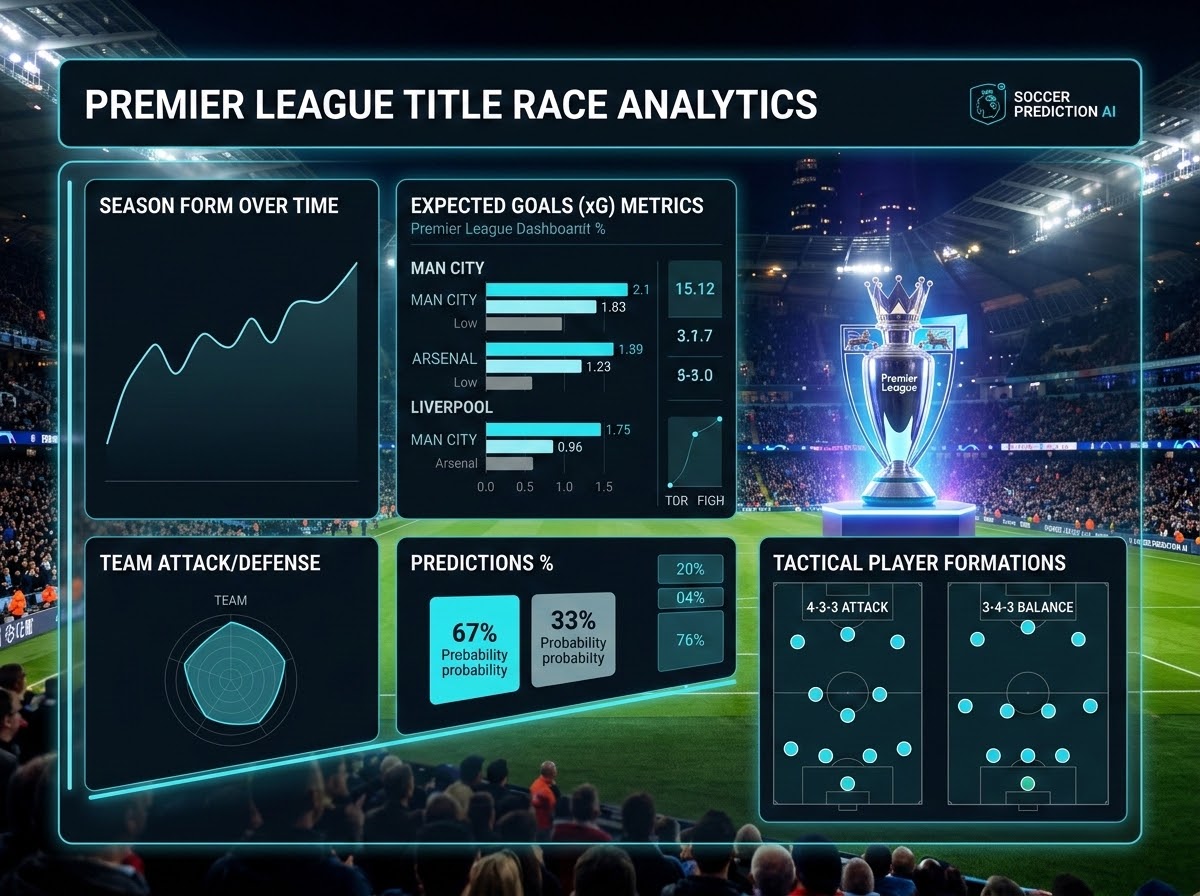
Modern football relies heavily on performance metrics such as expected goals (xG), pass completion rates, and defensive actions. These statistics provide a clearer picture of performance beyond the final score.
However, short-term fluctuations can be misleading. A team may dominate xG but still lose due to poor finishing or exceptional goalkeeping. This is why consistency over multiple matches matters more than isolated results.
Some teams also adjust their approach depending on the opponent’s strength. Against stronger teams, a compact defensive strategy may yield better outcomes, while weaker opponents allow for more attacking freedom.
Fair Play, Discipline, and Maintaining Competitive Integrity
One of the most important aspects of football is maintaining fairness and discipline. At high levels, even small lapses in concentration or judgment can have significant consequences.
Refereeing systems, including VAR, ensure that decisions are as accurate as possible. While not perfect, these systems add a layer of accountability that reduces the likelihood of major errors affecting results.
For players, discipline is critical. A reckless tackle or unnecessary foul can change the course of a match instantly. Maintaining composure under pressure is what separates elite performers from the rest.
Teams must also ensure transparency in their preparation and strategy. Just as trust matters in any competitive environment, maintaining integrity on and off the pitch builds long-term success.
Conclusion
High-stakes football in 2026 rewards those who combine technical understanding with disciplined execution. Mastering modern tactics, managing squad resources effectively, selecting the right playing style, and maintaining fairness together form a complete strategy. Teams that treat each match as a calculated challenge rather than relying on instinct alone give themselves the strongest chance of sustained success over the long term.