How Top European Clubs Manage Social Media Accounts
European football clubs compete for attention long


European football clubs compete for attention long before kickoff. Social media is where matchday energy becomes daily loyalty, where global fans feel close to the badge, and where sponsorship value becomes measurable. The strongest club accounts do not rely on random posting. They run content like an elite operation, with planning, speed, and clear priorities.
Matchday Is Treated Like a Content Series
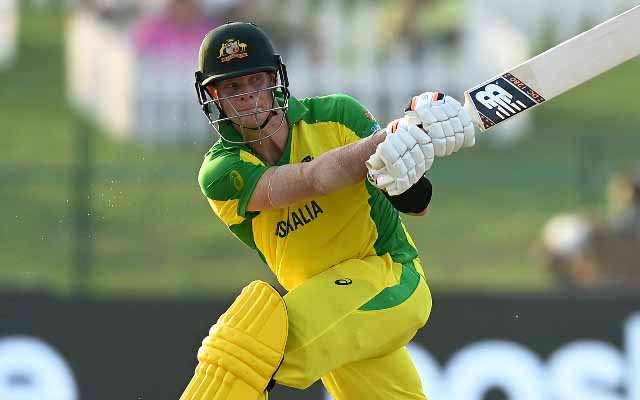
For top clubs, matchday content is not a single post that says “We won” or “Final score.” It is a full storyline built across several phases: pre match buildup, live updates, and post match analysis. A structured matchday calendar typically includes countdown graphics, behind the scenes arrival footage, training ground clips from the final session, and a strong lineup reveal. During the match, short updates, key moments, and controlled highlight clips keep fans connected in real time. After the whistle, there is immediate confirmation of the result, then reaction content such as manager quotes, player interviews, and crowd moments.
This approach works because every match already has built in drama. The club’s job is to package that drama into formats that fit each platform. Short vertical clips for TikTok and Reels, fast updates for X, story polls for Instagram, and longer recap content for YouTube. One match can generate dozens of posts without repetition because each piece focuses on a different angle. Consistency is also protected through templates and clear workflows. Many clubs use pre approved design systems for score graphics, lineup cards, and goal alerts. This speeds up posting while keeping quality stable.
Fans Become Part of the Brand Story
European clubs do not just broadcast content. They create community moments that make supporters feel seen. This is a major reason their accounts earn loyalty instead of collecting passive followers. Fan driven content often includes stadium atmosphere, away day stories, supporter photos, and user generated videos. Clubs also highlight chants, banners, and traditions that define identity. Even simple features like “Fan of the Match” or “Best travel photo” create participation and encourage sharing.
Interactive tools are a key part of promotion. Polls, predictions, and Q&A stickers increase engagement because they invite a response, not just a like. Match predictions before kickoff, man of the match voting after the game, or quick quizzes about club history can keep fans active throughout the week. Player focused content also matters, but it is managed carefully. Clubs share personality through training moments, short interviews, and light challenges. The goal is controlled authenticity. Human content builds connection, but it still needs consistency with club values, sponsor guidelines, and media rules.
Data Shapes Decisions Like a Performance Department
Successful clubs manage social media with the same mindset used for scouting and analytics. Content is measured, tested, and improved. Different platforms require different success metrics. A short video might be judged by watch time and completion rate, not likes. A carousel might be judged by saves and shares. A match update might be judged by reach and speed. Clubs track these patterns and adjust content types based on what drives growth.
Data also helps clubs understand emotional cycles. Wins boost engagement, but losses can create negativity and spam. Transfer rumors can spike reach, but they can also spread misinformation. Strong accounts plan for these moments with clear rules and crisis responses. Comments are monitored, moderation is active, and communication stays professional. For smaller clubs, semi pro teams, or football projects building an audience, this is where structured help can matter. Working with a trusted social media marketing agency can support consistent publishing, improve content planning, and strengthen growth strategy across platforms while keeping branding and tone aligned.