How New Sportsbook Are Changing: What Today's Bettors Expect
Sports betting has changed considerably over the p


Sports betting has changed considerably over the past decade. What was once primarily about finding a bookmaker, checking the odds and placing a pre match bet has developed into a much more sophisticated digital experience.
Today's sports fans can follow live statistics, build customised bets, watch odds move in real time and manage everything through a smartphone. This evolution has also changed how bookmakers compete. Having hundreds of markets is no longer enough on its own. Bettors increasingly judge sportsbooks on everything from odds and payment speeds to mobile performance and live betting features.
So, what exactly defines the modern sportsbook?
Competitive Odds Still Come First
Technology might have transformed betting, but one fundamental hasn't changed: the price matters. Small differences in odds can have a significant impact over time, particularly for regular bettors. Consider two bookmakers offering 1.90 and 2.00 on the same selection. For an occasional £10 bet, the difference might appear insignificant. Repeat that difference across dozens or hundreds of bets and it becomes considerably more important.
This is why experienced punters often compare prices rather than automatically using one bookmaker. Headline promotions can attract attention, but consistently competitive odds may ultimately provide more value.
Newer Sportsbooks Are Challenging Established Brands
For years, the sports betting industry was dominated by a relatively small collection of familiar bookmakers. That is gradually changing. New operators entering the market have to give customers a reason to consider switching from established competitors. This has encouraged innovation in areas such as mobile design, bet builders, live betting, promotions and withdrawals.
People comparing new sports betting sites may therefore find platforms trying to differentiate themselves through features rather than simply offering the same traditional sportsbook experience under a different brand. Some focus heavily on football. Others compete through broader sports coverage, faster payments or more sophisticated in-play markets.
Being new doesn't automatically make a sportsbook better, of course. Licensing, reputation, security and responsible gambling tools should still be considered alongside its features. But increased competition can encourage the wider industry to improve.
Mobile Performance Has Become Essential
The smartphone has probably influenced modern sports betting more than any other piece of technology. A sportsbook can offer excellent odds and hundreds of markets, but that means little if navigating the platform on a phone is frustrating. Modern betting platforms therefore need to be designed around relatively small screens. Finding a competition should take seconds. Markets need to load quickly, bet slips should be easy to edit and account features shouldn't be hidden behind complicated menus.
Live betting makes performance even more important. During a football match, odds can change within seconds. A slow or unresponsive platform can make an otherwise attractive sportsbook difficult to use. The best mobile experiences often feel simple precisely because considerable work has gone into making them that way.
Bet Builders Have Changed Football Betting
One of the most noticeable sportsbook developments has been the growth of bet builders. Traditionally, bettors selected individual markets. A bet builder allows multiple predictions from the same event to be combined. For example, someone watching a Premier League match might combine a team to win with total goals, a player to score and a certain number of corners. This gives punters considerably more control over the type of wager they create. It also demonstrates an important wider trend. Sportsbooks are increasingly moving away from simply presenting fixed lists of bets and towards allowing users to customise their experience.
Live Betting Is Becoming More Sophisticated
In play betting has developed rapidly alongside improvements in real-time sports data. Football is the clearest example. During a match, users can potentially follow possession, shots, corners, cards and other statistics while simultaneously viewing changing betting markets. Delivering this experience requires sophisticated infrastructure.
Data needs to reach the operator quickly, markets have to respond to events and odds must continually adjust according to what is happening. For bettors, it means the sportsbook increasingly becomes a companion to watching the event rather than something used only before kick-off.
Sports Data Is Becoming Part of the Product
Statistics have always influenced sports betting, but access to information has improved dramatically. Football fans can now access detailed team and player data that would once have been difficult to find outside professional analysis. Sportsbooks have responded by incorporating more of this information directly into their platforms. Recent form, previous meetings and live match statistics can all help users research selections without constantly moving between different websites.
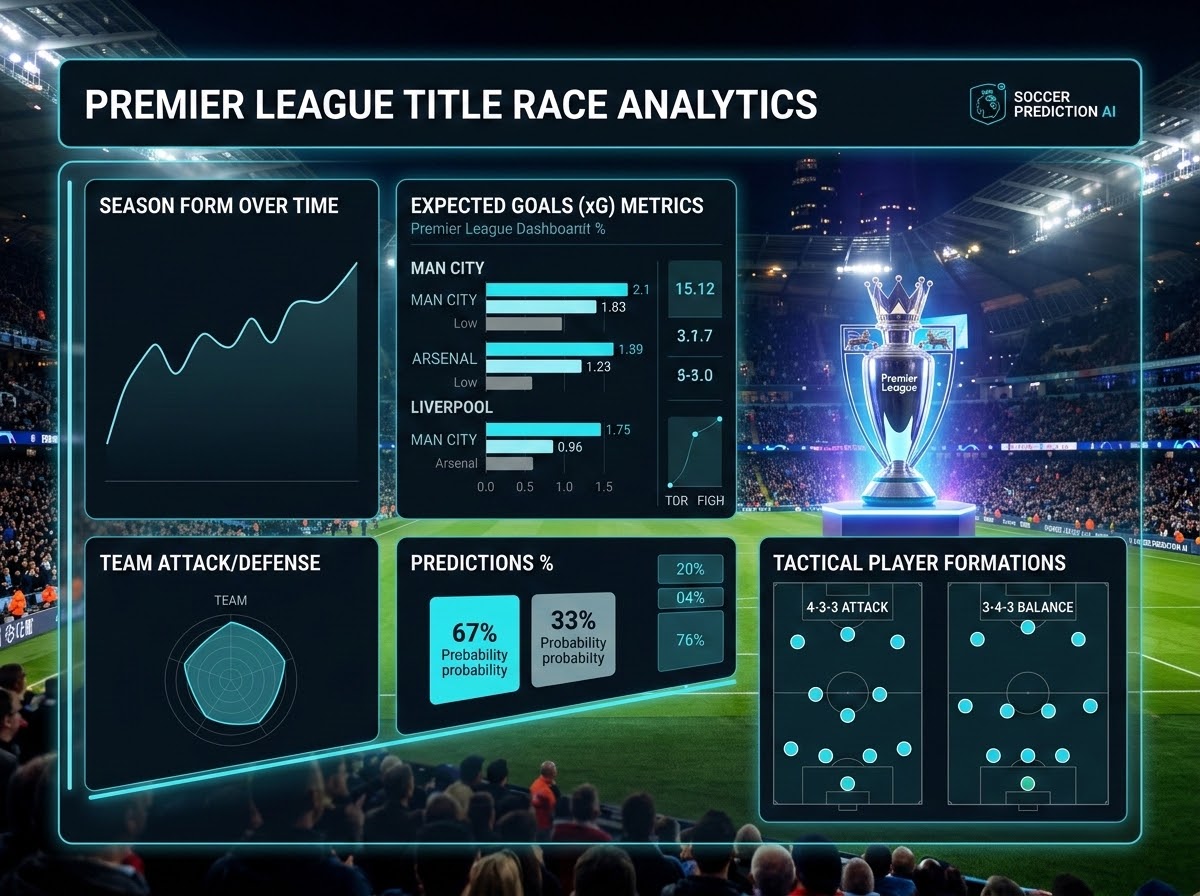
More experienced bettors may go considerably further, looking at expected goals, shot quality, injuries, home and away performance and historical prices. This doesn't guarantee successful predictions. What it does provide is a more informed basis for making decisions than simply backing a team because it is the favourite.
Fast Withdrawals Are Becoming a Competitive Feature
Payments aren't the most exciting part of sports betting, but they're becoming an important way for bookmakers to differentiate themselves. Consumers are accustomed to fast digital payments in other areas of life. Bank transfers that once took days can now happen remarkably quickly, while digital wallets have made moving money between services straightforward.
Those expectations carry over to betting. A sportsbook offering a polished betting experience but unnecessarily slow withdrawals can quickly frustrate customers. Modern operators are consequently putting greater emphasis on payment processing, withdrawal times and clear transaction information.
Personalisation Is Coming to Sports Betting
Digital platforms increasingly adapt themselves to individual users. Streaming services recommend programmes, Music apps learn what listeners enjoy. Online shops personalise product suggestions. Sportsbooks can use similar technology.
A punter who regularly follows Premier League football might want those fixtures displayed prominently. Someone primarily interested in horse racing may prefer upcoming races to appear first. Favourite teams, leagues and markets can all help reduce the amount of searching required. The challenge is using personalisation responsibly. Convenience can improve the user experience, but operators also have a responsibility to ensure technology isn't designed to encourage excessive gambling.
Esports Is Expanding What Counts as a Betting Market
Sportsbook coverage itself is evolving. Football, horse racing and tennis remain major betting categories, but newer audiences have helped other markets grow, Esports is one of the clearest examples. Competitive gaming has developed professional teams, tournaments, leagues and global audiences. Major competitions can attract viewers from numerous countries simultaneously.
For sportsbooks, this introduces an entirely different type of customer. Someone following competitive gaming may expect fast mobile technology, detailed statistics and highly interactive interfaces. Those expectations could ultimately influence sportsbook design beyond esports itself.
Responsible Gambling Technology Is Improving
Not every sportsbook innovation should be focused on encouraging more activity. Technology can also make gambling safer. Deposit limits, time-outs, self-exclusion tools and account controls allow customers to place restrictions on their activity. More advanced systems can potentially identify unusual changes in behaviour as well. For example, sudden increases in deposits, session duration or betting frequency could indicate that additional safeguards are appropriate. As sportsbook technology becomes more sophisticated, responsible gambling tools should develop alongside it.
What Should Bettors Actually Compare?
With so many features available, it's easy to become distracted by whichever promotion is displayed most prominently. A better sportsbook comparison looks at the complete product. Odds are an obvious starting point, followed by sports and market coverage. Mobile performance, payment options, withdrawal speeds and live betting features can then separate otherwise similar operators.
Licensing and security should be fundamental requirements rather than optional extras. Promotions can still provide additional value, but they shouldn't compensate for poor odds or an unreliable platform.
Most importantly, the right sportsbook can depend on the individual. A casual Premier League bettor may value simplicity and strong football markets. Someone following dozens of sports might prioritise market depth, while a racing enthusiast could care more about each-way terms and specialist features.
The Sportsbook Is Becoming a Technology Platform
Perhaps the biggest change is that bookmakers are no longer competing solely as bookmakers. They're increasingly competing as technology businesses. Users expect reliable mobile platforms, instantaneous information, fast payments and intuitive interfaces because those are the standards established by other digital services.
That pressure is unlikely to disappear. Artificial intelligence, increasingly detailed sports data and further improvements in mobile technology could make future platforms even more personalised. Yet the fundamentals will remain important. Competitive prices, reliable payments, useful markets and a secure platform will probably matter more to most bettors than flashy technology.
What The Future Looks Like
Sports betting has moved a long way beyond simply displaying a fixture alongside three possible outcomes. The newest sportsbook combines sports data, financial technology, mobile design and real-time information within a single platform.
Competition between established bookmakers and newer operators is accelerating that development. For bettors, the result is more choice, but also more features to compare. Understanding which features genuinely improve the betting experience, rather than simply looking impressive in an advertisement, is therefore becoming an increasingly important part of choosing where to bet.